
Dial In Your Guitar: Simple Setup Wins for Smoother Playability and Better Tone
Your guitar might feel just a little off—strings buzz, chords don’t ring true, or the neck feels stiff. These small glitches can make playing less fun and hide your guitar’s full voice. Getting your guitar setup right with adjustments like neck relief, action height, and pickup position can bring smoother playability and richer tone. Let’s walk through what you can tweak at home and when to trust a pro, so your guitar sounds and plays exactly how you want. For some additional tips, check out this guide.
Essential Guitar Setup Steps
Let’s start with the basics to get your guitar playing just right. These changes can greatly boost your sound and make playing more enjoyable.
Neck Relief and Truss Rod
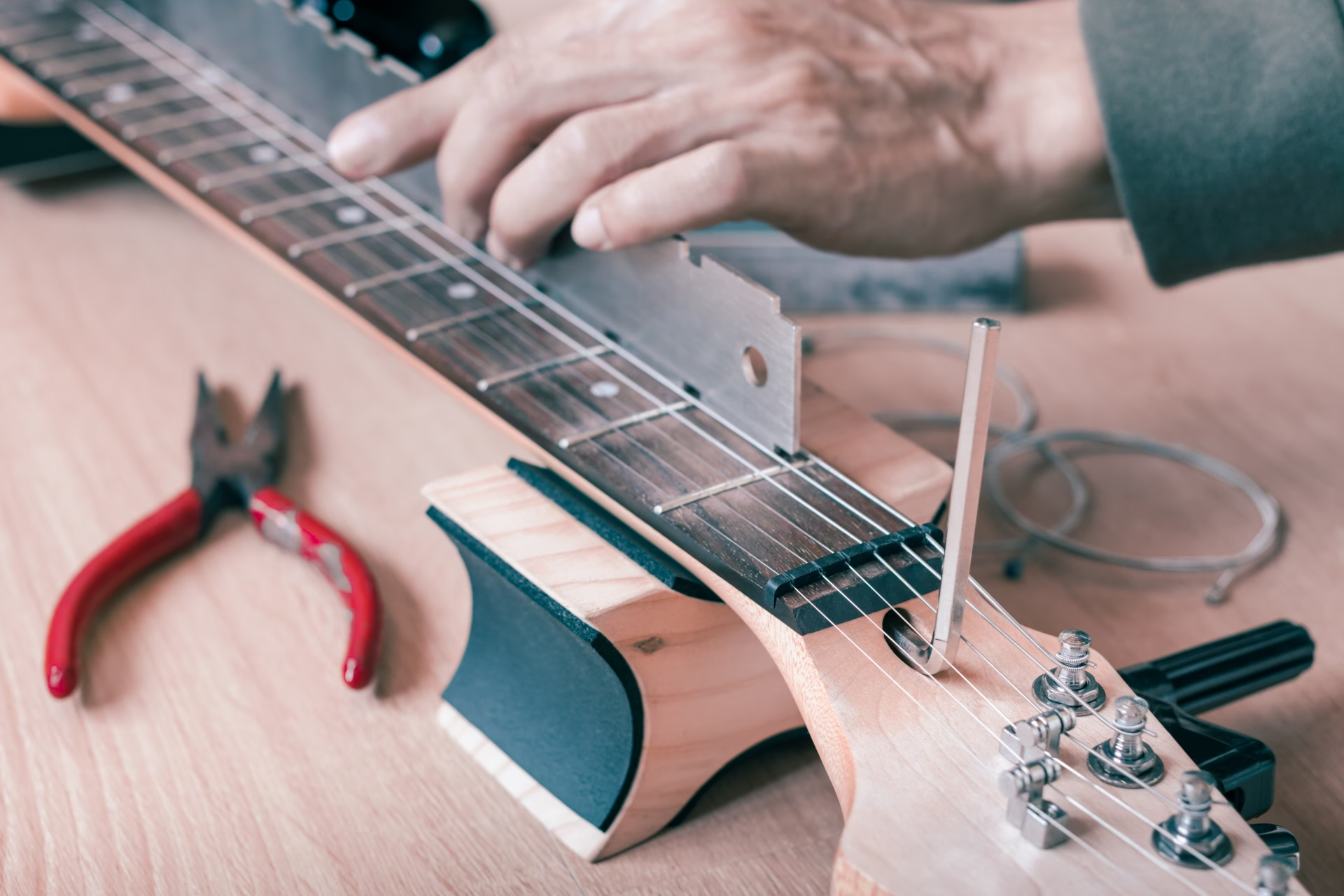
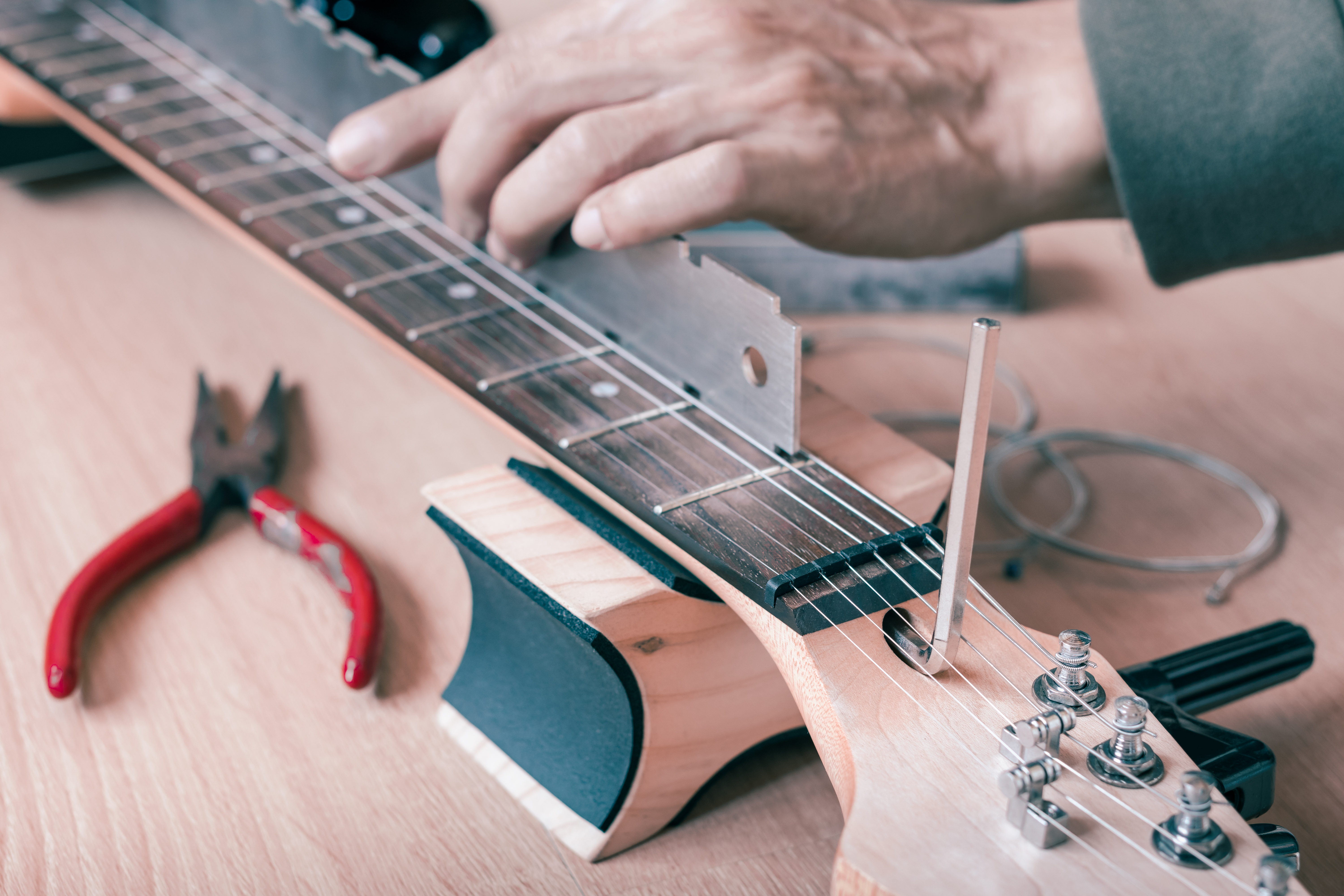
Your guitar’s neck relief determines how easily you can press the strings. Adjusting the truss rod can solve issues like buzzing strings.
Turn the Truss Rod: Use a small wrench to adjust it. A small turn can make a big difference.
Check the Relief: Press the first and last frets. There should be a tiny gap at the 7th fret. If not, a truss rod adjustment is needed.
Test for Buzzing: Play each string open and at the 12th fret. If you hear buzzing, further adjustment is necessary.
Remember, if you’re unsure about this step, it might be best to seek professional help. Here’s a useful video guide on making these adjustments.
Are you ready to get started?
Call or Text 309-431-6531 and we will contact you to make arrangements.
Please visit the shop and bring your gear. Be prepared to leave it at the store for estimates, re-string and setup.
PLEASE NOTE: We are unable to service band instruments at this time.
Action Height and Playability
Action height affects how hard you need to press the strings. It can change how you feel while playing.
Measure the Action: Use a ruler to measure the distance from the string to the fret at the 12th fret. Aim for about 2mm.
Adjust the Bridge Saddles: Lower or raise the saddles to change the action. Small tweaks can make big differences.
Test the Feel: Play a few chords and scales. If it feels tough or sounds off, adjust again.
Improving action height can make playing more comfortable, especially during long sessions.
Guitar Intonation Basics
Intonation ensures your guitar sounds in tune all over the neck. Without it, your chords might sound wrong.
Check the Intonation: Play the 12th fret harmonic and compare it to the 12th fret note. They should match.
Adjust the Saddles: Move them forward or back until the notes match perfectly.
Retune Often: Every adjustment can affect tuning, so keep checking.
Fine-tuning your intonation is key to hitting the right notes every time.
Fine-Tuning Your Tone

Now let’s focus on tweaking your sound. These adjustments can help your guitar sing with its true voice.
Pickup Height Adjustment Tips
The height of your pickups affects your guitar’s volume and tone. Adjusting them properly can uncover hidden tones.
Find the Right Height: Start with 2mm from the string at the bridge side and 3mm at the neck side.
Test and Listen: Play a scale and a few chords. Listen for clarity and volume.
Adjust for Balance: If one pickup is louder, adjust the height to even things out.
Here’s a community discussion that might offer additional insights.
Nut Slot Depth Importance
The depth of the nut slots can affect tuning stability and playability.
Check the Depth: The string should sit just above the first fret when pressed at the third.
File Carefully: If the string is too high, gently file the slot. Go slow—too much can ruin the nut.
Test Tuning Stability: Play and bend strings to see if they stay in tune.
Proper nut slot depth can prevent tuning issues and make playing easier.
Choosing the Right String Gauge
The thickness of your strings can drastically change your playing experience.
Consider Your Style: Heavier strings can offer richer tones, while lighter ones are easier to play.
Try Different Gauges: Experiment with a few sets until you find what works best for your sound.
Balance Playability and Tone: Choose a gauge that feels good and sounds great.
Switching string gauges can be a simple way to breathe new life into your guitar. For more information, check out this detailed blog post.
Professional Services and Local Support

Even with these tips, some tasks are best left to the pros. Here’s when and where to seek help.
When to Seek Professional Repair
Certain issues might need a trained eye. Don’t hesitate to reach out for assistance.
Complex Truss Rod Adjustments: If you’re unsure, a pro can ensure it’s done right.
Fret Leveling: Uneven frets can cause buzzing. A tech can fix this problem.
Major Intonation Issues: Persistent tuning problems might need expert help.
A professional can provide peace of mind and prevent costly mistakes.
Guitar Tech Services in Your Area
Finding a reliable guitar tech can make a world of difference.
Local Expertise: Visit guitar techs in Macomb, Quincy, or Colorado Springs for hands-on service.
Comprehensive Care: From setups to repairs, they can handle all your guitar needs.
Support your local community and keep your guitar in top shape.
Guitar Lessons and Adaptive Options
Learning more about your guitar can amplify your playing experience.
Lessons Near You: Consider lessons to deepen your understanding and improve your skills.
Adaptive Sessions: For those with special needs, adaptive lessons offer personalized guidance.
Incorporate lessons into your routine to enrich your musical journey. Whether you’re in Illinois or Colorado, there’s a supportive musical community waiting for you.